
Views: 0 Author: Site Editor Publish Time: 2026-11-15 Origin: Site
Not every private-label project needs tooling. PCBs, transformers, heatsink extrusions and connectors are standard parts. The moulds you actually pay for are usually limited to the front panel, knobs, enclosure parts, and a remote.
A tooling quote is five line items, not one number. Design, steel, machining, trials and rework, and service life — a supplier who cannot split the total is telling you something.
Ranges beat point figures. Two quotes for the same panel mould can legitimately differ threefold; structure, tolerance, cavity count and life clauses are the variables.
Paying for a mould does not make it yours. Ownership lives in contract wording, physical marking on the tool, and the right to move it — miss any one and the tool stays behind when you switch suppliers.
Amortization and upfront payment answer different questions. One manages cash flow, the other usually lowers total cost; neither settles ownership on its own.
Private-label amplifier tooling money goes to a handful of appearance and structural parts — front panel, knobs, enclosure components, sometimes a remote — and the amounts involved typically run from the low thousands of dollars to the mid tens, depending on structure and finish. The expensive lesson most buyers learn late is a legal one: paying the tooling invoice does not by itself transfer ownership. That has to be written into the contract, marked on the steel, and backed by a right to move the tool. This article walks through what tooling actually covers, how the cost breaks down, which payments buyers routinely forget, and the six clauses that keep the mould yours.
"Tooling cost" sounds like the whole machine gets re-engineered. Open up any amplifier and the reality is narrower:
Part | Tooling usually needed? | Notes |
|---|---|---|
Front panel | CNC-machined aluminium: no mould. Plastic: injection mould | Surface finishing (brushing, anodizing, paint) is a separate line item |
Knobs and button caps | Usually injection or zinc die-cast moulds | Small parts, multi-cavity tools, fast amortization |
Sheet-steel chassis | Generic stamping plus dedicated bending fixtures; rarely a full new mould | Size changes are mostly fixture adjustment |
Die-cast housing / integrated heatsink shell | Die-cast mould required | The most expensive category, common on flagship designs |
PCBs and power boards | No mould | Circuit design (NRE) is a separate cost, unrelated to tooling |
Toroidal transformers, heatsink extrusions | No mould | Extrusion profiles use existing dies — you select, not tool |
Remote control | Usually an injection mould | Or skip it: a catalogue remote with your logo costs zero tooling |
Printed carton | Cutting die for print | Print tooling, not a mould in the real sense |
The table earns its place during negotiation: when a supplier quotes "tooling", ask which line items the money maps to. A supplier who answers item by item has run private-label projects before. One who offers a single round number is outsourcing the tooling — and the response speed when something goes wrong will show it.
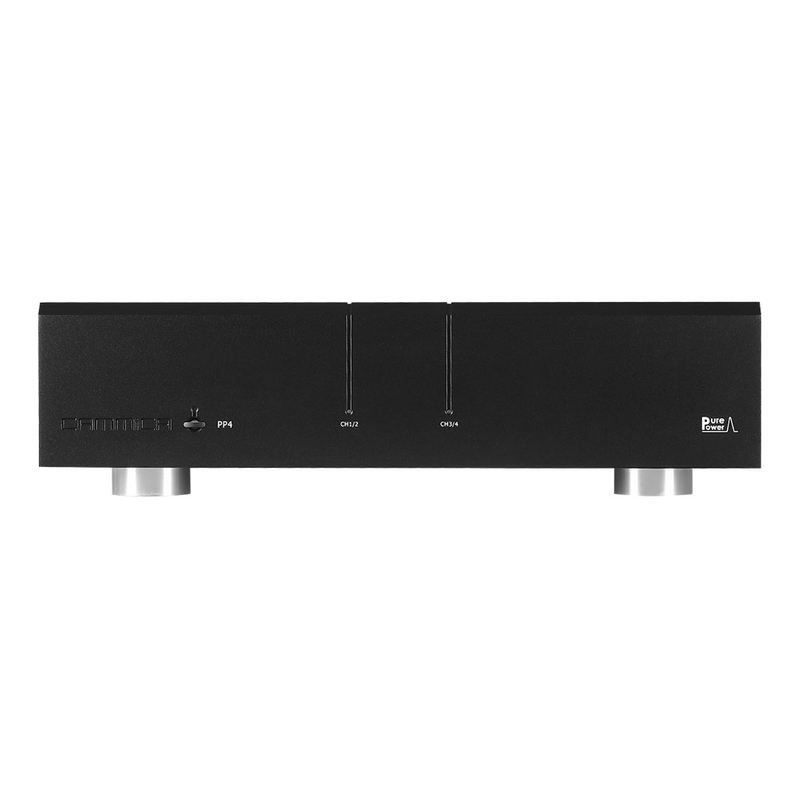
Figure 1 — A typical amplifier enclosure: custom appearance parts around standard electronics (typical construction).
A mould quotation totals five distinct buckets. Whether a supplier can split them says a lot about how the tool will be managed:
Component | What it covers | What to ask |
|---|---|---|
Design | 3D modelling, mould structure design, DFM analysis | Included in the total? How many revision rounds at no charge? |
Steel | Core steel grade (P20, 718, H13 are common) and mould base | Do the grade and hardness appear in the contract? |
Machining | CNC, EDM, wire cutting, polishing | Machined in-house or subcontracted? (Affects lead time and confidentiality) |
Trials and rework | T0/T1 trials, rework until parts pass | How many free rework rounds? What beyond them? |
Service life | Expected mould life — commonly quoted in the 300,000–500,000 shot range for injection tools | Who declares end of life, and who pays for a replacement? |
A practical test: ask the supplier to break the total into these five rows. Anyone who manages moulds as their own assets can do it from memory. A single-number quote usually means the tool is being bought from a third party, and every future mould discussion will route through someone you cannot talk to directly.
Everything publicly available about tooling cost is an order-of-magnitude reference, and this table is no exception. The figures below reflect commonly seen industry levels, assembled to give a feel for where the money sits. They are not a quotation from any supplier, and they are not an offer on any project — structure, tolerance, cavity count and life clauses routinely move the same category of mould by a factor of two or three:
Tool / fixture type | Common range (USD per tool) | Notes |
|---|---|---|
Small injection moulds — knobs, buttons | ~1,000–4,000 | Single cavity, simple structure |
Panel injection moulds | ~2,000–8,000 | Driven by structure complexity and surface requirements |
Remote control injection mould | ~1,500–5,000 | A catalogue remote with your logo avoids this entirely |
Aluminium heatsink extrusion die | ~3,000–10,000 | Unnecessary if a stock profile fits |
Zinc alloy knob die-cast mould | ~4,000–12,000 | Common for high-end control feel |
Aluminium die-cast panel / housing mould | ~8,000–30,000+ | Widest spread of the group; finish and tolerances dominate |
One rule worth adopting from this table: negotiate tooling in ranges and line items, never in "industry average" terms. Precision, cavities and life clauses are the three variables that decide the number, and none of them is visible in an average.
Variable | The cheap version | The expensive version | What changed |
|---|---|---|---|
Structure | No side actions or inserts | Sliders, lifters, metal inserts | Every layer of complexity raises machining time and rework risk |
Tolerance | Loose fits on mating surfaces | Uniform knob-to-panel gaps, consistent feel | Precision is bought with steel grade and machining hours |
Surface | Shot-blast or standard texture | High-gloss or custom-grained finish | High-gloss polishing is costly and the tool is fragile afterwards |
Cavities | One cavity per shot (slow, cheap tool) | Multi-cavity (fast, expensive tool) | Volume decides which is economical |
Life clause | Vague or unstated | Defined shot count and end-of-life responsibility | A life promise is itself a cost |
The list doubles as a comparison discipline: align these five variables across suppliers before comparing prices. Comparing unaligned quotes is comparing a desk to an office chair.
First-time private-label budgets usually contain one line: tooling. Production reality adds at least four more:
Often forgotten | What it is | Feel for the size |
|---|---|---|
Assembly fixtures | Locating jigs, silkscreen alignment plates, packing fixtures | Well below mould cost, but never zero |
Test fixtures | Dedicated parts of PCBA test rigs and burn-in load racks | Multichannel units cost noticeably more than stereo |
Certification samples | CE/FCC submission units plus laboratory fees (samples are typically built from modified stock, no new tooling) | Certification cost is separate from tooling, but the samples take real labor |
Trial and pilot losses | Scrapped T1/T2 parts and first-pilot setup losses | Buried in unit price — ask whether it is included |
One self-check covers all four: after receiving a quote, ask, "Between the drawings and the first shippable batch, what other cost items will appear?" A supplier who lists five items has personally paid for these lessons. One who answers "nothing" will introduce them later, one change order at a time.
Pay the tool upfront | Amortize into unit price | |
|---|---|---|
Cash flow | One early payment | Spread across shipments |
Unit price | Lower | Slightly higher, often with a defined payback quantity |
Total cost | Better at volume | Lower risk at low or uncertain volume |
Underlying assumption | Buyer is confident in the volume | Supplier hedges, or buyer keeps control |
Usually negotiated with | Ownership clauses | MOQ terms and staged production plans |
Neither structure is better in the abstract; the decision turns on how confident you are in the sales forecast. Amortization has three details that decide whether it is a clean arrangement: how many units carry the tooling, what happens to the unit price once it is paid off, and how the recovered portion is settled if the order stops early. Leave those three unwritten and amortization becomes an account neither side can audit. This is also why tooling cost and MOQ are always discussed together — the amortization structure quietly rewrites the MOQ negotiation.
This single clause generates more private-label disputes than every technical issue combined. Buyers who paid full tooling invoices commonly end up in one of three situations:
Outcome | Typical cause | Consequence |
|---|---|---|
The mould belongs to the buyer, in writing | Contract states it, and the tool carries the buyer's marking | Portable to a new supplier; the asset is real |
Shared tool, buyer holds usage rights only | Supplier co-funded the tool, or the contract was silent | The same tool may serve somebody else's orders |
The mould belongs to the supplier in practice | Buyer paid "amortization", ownership never transferred | Stop the order, lose touch — years of investment locked in someone else's workshop |
The third outcome hides best: while cooperation is smooth nobody raises ownership, and by the time the buyer wants to switch suppliers — or the supplier wants a price increase — the tool sits somewhere unreachable. Ownership belongs in the first tooling conversation, not the last, because that is the only moment the buyer still holds leverage.
Ownership. The mould becomes the buyer's property once paid in full; the supplier holds it as a custodian.
Physical marking. Each tool carries the buyer's project number or brand mark, with a tooling list — ID, cavities, steel grade, storage location.
Right to move. The buyer may redirect the tool to a third party at any time; the supplier cooperates without attaching conditions.
Maintenance and life. Who maintains it, how shot counts are recorded, and who declares and pays for end-of-life replacement.
Exclusivity and confidentiality. No third-party production from the tool without written consent — including "same tool, different color" variants.
Payments and paperwork. Payment milestones (splits like 3:3:3:1 or 5:4:1 are common), invoice descriptions, and settlement of paid amounts versus physical assets if the project stops.
None of these is aggressive; they are standard terms that any factory set up for private-label work accepts routinely. When a supplier bristles at ownership language, the problem is rarely the clause — it is whether that supplier should be running your project at all.
Trials are the final quality gate on the tooling invoice, and the vocabulary is standard:
Stage | What it is | What the buyer does |
|---|---|---|
T0 | First trial shot — does the tool fill, any obvious defects | Expect nothing usable; confirm the direction |
T1 | Post-rework trial; dimensions and appearance near target | Sample review: assembly gaps, knob feel, print positions |
T2 | Fine-tuning pass, effectively production-ready | Sign off the first-article approval and freeze the production standard |
Two habits belong in any purchasing procedure. First, ask how many free rework rounds the quote includes — rework through T2 is commonly bundled into the tooling price, with anything beyond it billed separately. Second, approve T1 samples in their real assembly state: a loose panel always looks immaculate on its own; mount the knob and you learn the gap, drop it into the chassis and you learn the clips.
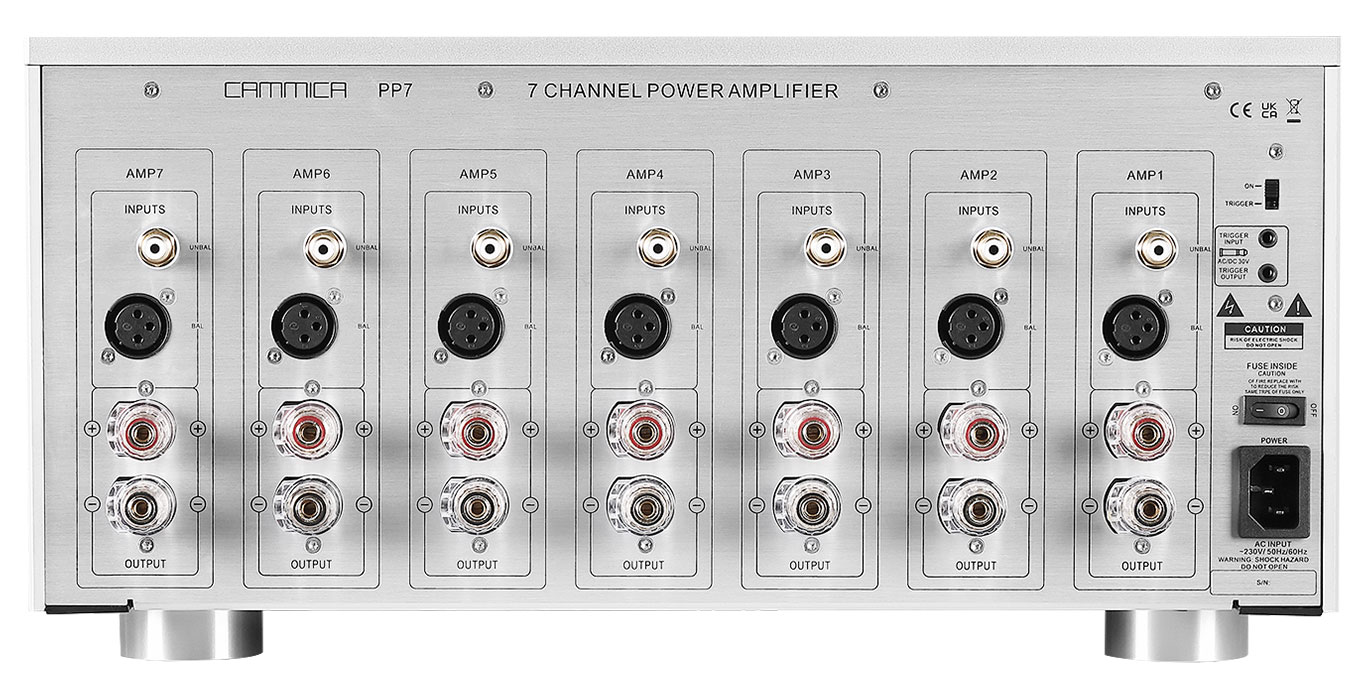
Figure 2 — Panel hardware and mating parts: where T1 samples are judged, in real assembly (typical construction).
Plenty of private-label projects should skip tooling entirely:
Situation | The smarter move | What you save |
|---|---|---|
First entry into a market, volume unproven | ODM platform model with logo printing or laser marking | The entire tooling cost and a 3–6 month tooling cycle |
You only want a different color or label | Existing tool, color change or alternate finish | Tooling drops to zero; only fixture adjustment remains |
"Premium look" wanted on a limited budget | CNC-machined aluminium front panel — per-part pricing, no mould | No tooling outlay, zero-cost revisions |
No differentiation needed on the remote | Catalogue remote with your branding | Several thousand dollars |
An honest factory puts this table in front of the buyer unprompted. The supplier who talks you out of tooling is more worth keeping than the one who talks you into it — the tooling invoice is cash flowing toward the factory and a sunk cost on your side, so the interests start out opposed.
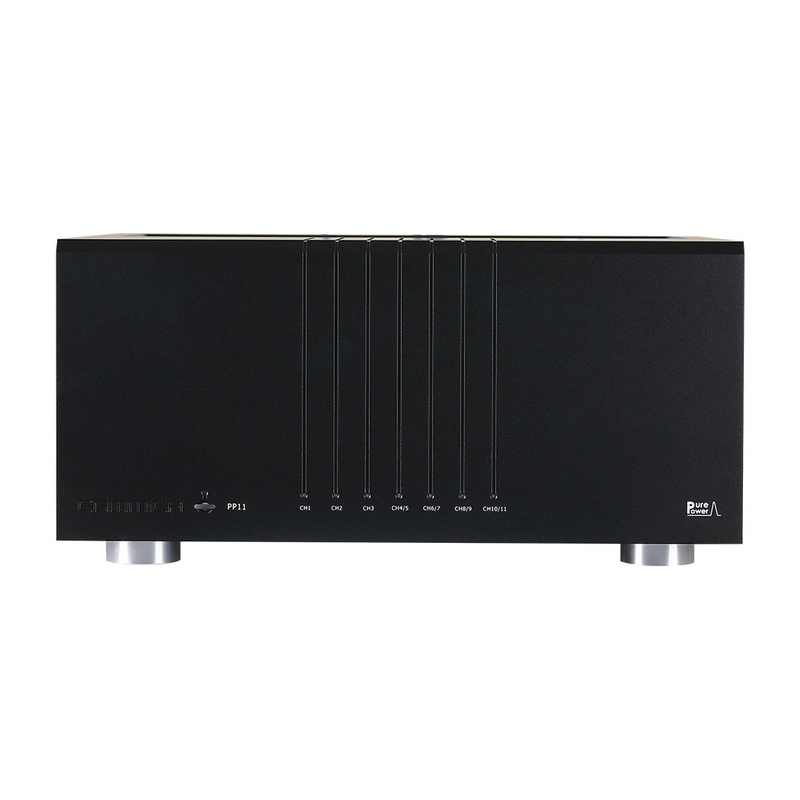
Figure 3 — A machined aluminium front panel: premium look, no mould required (typical construction).
A single lump-sum tooling quote that will not be broken down. Every future change will arrive as a new charge.
"We don't put that in writing — everyone here works on trust" about ownership. Ownership is the core asset question of private label; refusing to write it down means refusing to give it.
No trial-stage vocabulary — just "we'll show you when it's done." Without T0/T1/T2 there is no way to manage the process.
A quote far below the ranges above, claiming the same steel and the same life. The discount lives somewhere — steel, hours, or the life clause.
Refusal to mark the physical tool with the buyer's identifier. Marking is the most physical proof of ownership there is; there is exactly one reason to refuse it.
Misunderstanding | Reality |
|---|---|
"Private label means re-tooling everything" | Only a few appearance parts usually need tools; boards and core materials are standard |
"There's a standard price for a mould" | Structure, tolerance, cavities and life clauses swing the same tool threefold — negotiate ranges and line items |
"Paying means owning" | Ownership rests on contract wording, physical marking and movability — all three |
"Amortization handles the ownership question" | Amortization manages cash flow only; paying off the tool does not transfer title |
"Aluminium panels need a mould too" | CNC aluminium is machined per part with no tooling — one reason it dominates private-label panels |
Q1: What share of a private-label amplifier project does tooling usually represent? It varies widely. Light-customization projects (panel and branding only) spend little on tooling; a fully new flagship housing can spend a lot. The productive question is not the percentage but the breakdown — split the quote into its five components and the picture takes care of itself.
Q2: How long does a mould typically take? Simple injection parts commonly land in the 3–5 week range; complex die-cast housings can run 8–10 weeks before trial rounds. Any "one week" promise deserves the follow-up question: is this an existing tool being modified, or is the trial stage being skipped?
Q3: Where is the real gap between an ODM platform model and a tooled one? Appearance differentiation and exclusivity. Platform models are available to anyone; a tooled design is exclusive — if the ownership clauses are clean. A middle path exists: platform base plus a CNC or recolored panel, buying differentiation for a fraction of the cost.
Q4: If I move my mould to a new supplier, will it just work? Possession is the precondition, not the guarantee. The receiving factory needs compatible machine tonnage and a willingness to touch up the tool. Beyond the movability clause, choosing mainstream machine sizes at the design stage keeps the door open.
Q5: Does all of this apply to speakers, CD players and other audio categories? Yes. Tooling composition, ownership clauses and trial stages follow the same logic across audio; the part list differs (speaker projects add a cabinet and grille to the tooling decision).
Amplifier tooling is more tractable than its reputation: the money concentrates in a few appearance parts, the quote decomposes into five components, payment comes in two structures, and the real risk compresses into one word — ownership. Ask for the breakdown, write the clauses, walk the trials stage by stage, and tooling turns from the most disputable part of a private-label project into the most controllable one.
One line for anyone about to place the order: a mould you paid for is your asset, not the supplier's courtesy. The project only truly becomes yours the moment ownership, marking and movability are in the contract. To judge whether a factory is genuinely set up for private-label work, start with our factory floor and production background page; more buying-and-building explainers are collected in our technical article index, and the finished amplifiers these lines produce are on our product range overview.


