
Views: 0 Author: Site Editor Publish Time: 2026-11-27 Origin: Site
The real subject of a warranty negotiation is not the number of years. It is the allocation of failure costs: replacement units, cross-border freight, repair labor, and spare parts. Negotiate the four accounts separately or the vague one wins by default.
"Warranty period" runs on three different clocks — date of manufacture, date of arrival at port, date of installation. The longer the distribution channel, the more validity a factory-date start quietly consumes.
Exclusion clauses decide more disputes than the duration clause does. Installation errors, surge and lightning, unauthorized repair, and consumable parts cover most of the arguments you will ever have.
The first 90 days deserve their own negotiated unit. Early failures come from component defects and assembly faults — a different mechanism, and a different liability logic, than wear-out failures.
An RMA has six stages, each with its own wait. Whatever stage is missing from the contract has an unlimited wait time.
A verifiable warranty promise rests on three things: serial-number records, per-unit burn-in logs, and inspection records. A promise without records is marketing copy.
An OEM amplifier warranty policy is worth reading line by line for three things only: when the clock starts, which failures count, and who pays when one does. Get those three rows right and the headline "two-year warranty" takes care of itself.
Brand owners and product managers — use the three-element and three-clock tables to read a supplier's draft and find what "two years" leaves unwritten.
Purchasing teams and integrators — the six-stage RMA table turns one repair into a calculable timeline you can put into a contract.
Quality and service managers — the exclusion checklist and the five-question table show which evidence formats to demand before you sign.
However long a warranty document runs, it decomposes into three elements: duration, scope, and cost allocation. The year count is the most visible line and the least important one — the real negotiation sits in the other two. Duration sets how long the promise runs. Scope decides which failure situations count at all. Cost allocation decides who pays when a counted situation happens. Where any row is missing, the clause degrades into a slogan. Reading a draft is then mechanical: mark every paragraph — does this line set duration, define scope, or allocate cost? A paragraph that answers none of the three is atmosphere, not terms.
Element | What it decides | Where disputes cluster |
|---|---|---|
Duration | How long the promise runs | Start date unspecified; real validity shorter than the verbal promise |
Scope | Which failures count | Exclusions compressed into one line; each side interprets after the fact |
Cost allocation | Who funds replacement, freight, labor, parts | "Free repair" written, freight and labor ownership left open |
"Two-year warranty" hides one critical gap: starting from which day? The industry works with three start points, and the difference between them is how much channel inventory eats out of the validity window.
Start point | For the buyer | For the factory | Typical context |
|---|---|---|---|
Date of manufacture | Worst: long sell-through can consume months before installation | Cleanest — maps directly to batch records | Factory's default position |
Date of arrival at port | Compromise: strips sea freight and customs out | Needs shipment records | Common for importer and distribution purchases |
Date of installation | Best: sell one, cover one | Requires serial-to-installation mapping; higher admin load | Project and custom-install channels |
The negotiation is not about which point is "correct" — it is about which one matches your channel structure. A consumer channel with slow sell-through should push for arrival or installation dates; a fast-turning project channel loses little under a manufacture-date start. One trap cuts the other way: a clause that says "two years" without naming the start point hands the interpretation to the other side.
Scope clauses generate the most disputes because they decide whether a broken unit counts at all. A workable reading order: coverage actions first, exclusions second, evidence requirements for each line third.
Situation | Typically covered? | Evidence used to decide |
|---|---|---|
Component or solder failure in normal use | Yes | Serial number traceable; failure mode design-related |
Dead on arrival (DOA) | Yes, on a separate DOA track | Reported within a defined window after arrival (commonly 7–30 days, per contract) |
Installation faults — cramped ventilation, shorted wiring | Usually excluded | Site photos, installation records |
Lightning, mains surge, liquid ingress | Usually excluded; sometimes purchasable as an extension | Failure-mode reading: power devices damaged across the board |
Unauthorized repair | Excluded; may void unit-level coverage | Seal condition, solder traces |
Consumables — fuses, lamps, worn controls | Short-term or not covered | Named on a parts list |
One line deserves special attention: unauthorized repair voiding coverage. It cuts both ways. The factory uses it to stop third parties from making faults worse; the buyer should require that the void applies to the tampered unit only — not to the rest of the batch.
The policy a brand receives from its factory is only the first link. Most relationships add layers below: brand to distributor, distributor to installer or retail. Each layer restates the warranty, and each serves a different client — the end user wants "someone fixes this," the installer wants "no money stuck in returns," the brand wants "the factory stands behind it." If the downstream terms merely copy the upstream ones, or live only in conversation, any ambiguity at one link is amplified into a complaint at the end of the chain.
Link | Warranty form needed | Where it breaks |
|---|---|---|
Factory → brand | Written terms keyed to batch and serial numbers | Start point and freight split left unwritten |
Brand → distributor | Back-to-back terms aligned with upstream | Verbal promises that exceed what the factory accepts |
Distributor / installer → end user | Service-response language | Translating "factory judgment deadline" into "fixed same day" |
For a brand owner the operating rule is one sentence: demand the original text upstream, issue a faithful summary downstream, and never promise more than the original contains. The most expensive mistake on a warranty chain is committing the factory to something the factory never agreed to.
A single repair involves four independent accounts, and the policy must name each one. A clause that only says "free repair" covers, by default, just the second.
Cost item | Content | Common allocation |
|---|---|---|
Parts and labor | Components, repair hours | Factory bears during the warranty period |
Cross-stage freight | Return and reship legs | The negotiation hotspot: factory often covers one or both legs in year one, buyer thereafter |
Replacement unit | Substitute unit when judged unrepairable | Tied to defect-rate expectations; state whether a replacement restarts its own warranty |
Commercial cost | Stopped sales, replenishment, customer appeasement | Rarely written into warranty; covered indirectly by short RMA cycles |
Freight is the account that most often derails talks, and the one with the widest money range. Two legs of cross-border shipping can approach a meaningful share of one unit's value, which is why experienced buyers push freight allocation into a matrix — by year, by liability finding (factory cause vs. site cause), by batch size — instead of accepting a flat "freight collect."
Failures are not spread evenly across a service life. The industry-standard picture is bathtub-shaped: elevated early, flat in the middle, rising again at the end. Early failures — including DOA — come mostly from component defects and assembly faults, which is precisely what factory burn-in exists to flush out; mid-life failures reflect design margins and component selection; wear-out arrives after the warranty has expired. Different mechanisms, different liability logic. Mature terms therefore treat the first 90 days as a separate negotiated unit rather than a footnote inside a two-year umbrella. (This article stays at the contract level — how failure-rate figures are defined and costed is a separate subject entirely.)
Failure stage | Dominant mechanism | Customary contract handling |
|---|---|---|
Dead on arrival | Shipping damage, assembly omission | Report within window; full unit replacement; factory usually carries freight |
First 90 days | Inherent component defects, cold joints | Fast replacement preferred over repair to cut channel waiting |
90 days to expiry | Design margin, component batch issues | Repair-led, supported by failure-analysis reports |
After expiry | Wear and aging | Paid repair and spare-parts service |
The timeline of one repair is not "how long the fix takes." It is the sum of six waits. Whatever stage the contract fails to name has an unlimited wait. Order matters too: the stages depend on each other, so the levers live at the front — a standardized report format and a bounded judgment deadline compress the cycle faster than a faster soldering iron ever will.
Stage | Action | Where the wait comes from | What to negotiate |
|---|---|---|---|
1. Report | Buyer submits serial, symptom, video | No form template; information requested piecemeal | A defined RMA field list |
2. Judgment | Factory reproduces and assigns cause | Unreproducible faults sit idle | A judgment deadline; advance-replacement clause |
3. Shipping | Unit or module goes back | Consolidated cargo waiting | Ship spares first, verify failed units later |
4. Repair | Actual work | Production scheduling, parts sourcing | A repair-completion deadline |
5. Return | Repaired unit ships back | Freight and customs | A shipping-notification obligation |
6. Closure | Logged into the serial archive | No records → repeat disputes | A written report per RMA |
Of the six, stages 2 and 3 carry the most buyer value: the judgment deadline decides how long a dispute hangs open, and "advance replacement, failed unit verified later" turns one freight cycle of downtime into days. For multichannel chassis, module-level spares instead of whole-unit round trips compress both freight and rack outage.
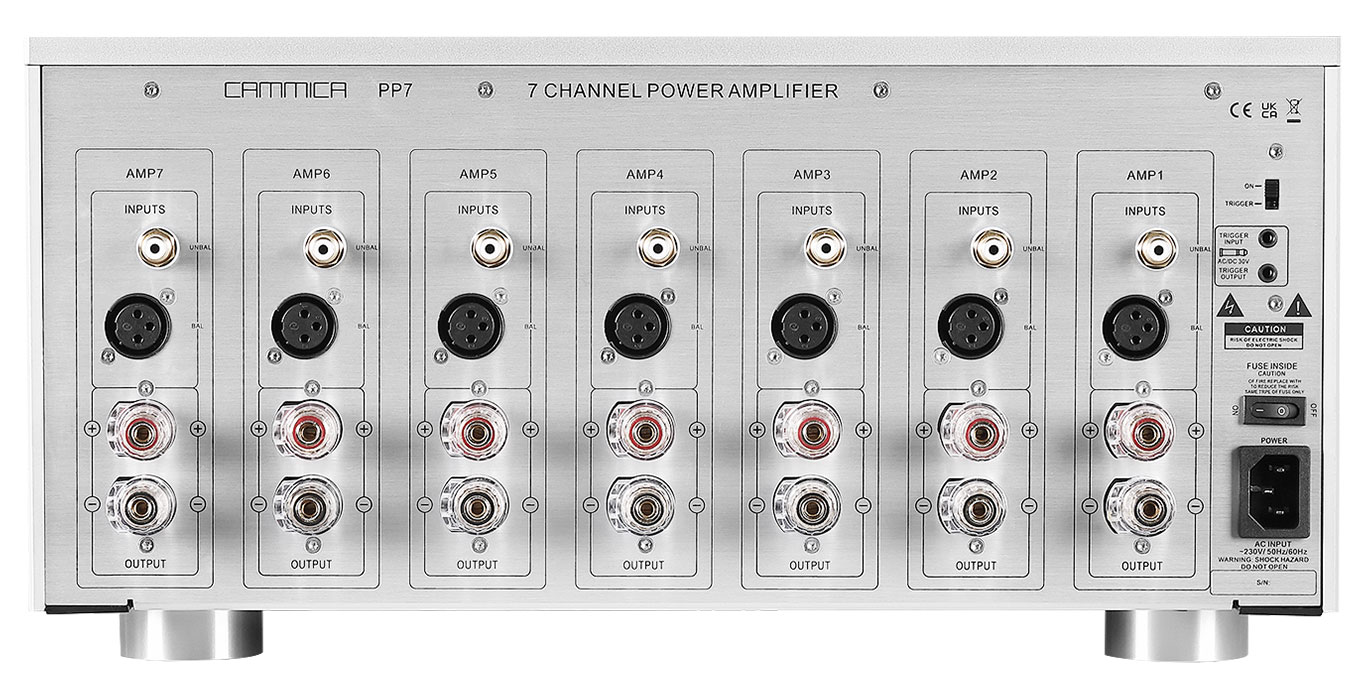
Typical construction: multichannel amplifier rear panel — module-level service on a chassis like this keeps one warranty claim from becoming a rack outage.
Expiry is not the end of the relationship. Installed units keep running for five to ten years or more, and what the buyer needs across those years is a parts channel, not an expired contract.
Clause | Content | Why it matters |
|---|---|---|
Parts availability period | Years of critical-spares supply after production ends (commonly 3–5, per contract) | Sets how long a product line can honestly promise a service life |
Parts list | Boards and modules, transformers, controls, panel parts | The more specific the list, the more real the negotiation |
Paid repair channel | Post-warranty repair at cost or agreed rates | Prevents "out of warranty, out of luck" |
Technical documentation | Service manuals, schematic scope | Usually tiered by depth of cooperation |
The easiest proxy for whether a supplier will behave well after expiry: does it list spares down to board level today? A supplier that will itemize has genuinely managed its stocking and end-of-life planning. One that offers only "long-term support" is promising whatever happens to be on a shelf.
In a seven- or eleven-channel amplifier, warranty judgment gains a structural question the two-channel world never asks: when one channel fails inside one chassis, is that a unit fault or a channel fault? The answer decides whether replacement, repair, and spares run at unit level or module level. The mature approach is per-channel judgment — test reports issued by channel, warranty history logged by channel, repair executed at module level, replacing the failed board instead of flying the chassis across an ocean. These units live in custom-install and project racks where downtime is expensive, so module-level service capability is worth real money. On multichannel orders, write "per-channel test reports" and "module-level spares" as two explicit lines rather than assuming general terms cover them.
However well a policy is written, what decides a dispute is the record. On the factory side there are four layers a supplier should be able — and willing — to produce: serial and batch archives (which unit, which batch, which materials), per-unit burn-in logs (how long each unit ran, under what load before shipping), inspection records at key stations (did this unit pass the tests), and RMA history (how often this failure mode has been repaired). Strung together, the four layers turn a dispute from two opinions into an archive lookup.
Buyers hold the other half of the same system: keep the serial number, installation date, and site conditions of every unit; when a failure happens, capture video and log ambient temperature and load configuration at once. Every deadline in the policy runs from the date a complete report is submitted — the more complete the buyer's record, the faster the judgment, the longer the buyer's effective validity. What these records look like on the production side — the stations, the per-unit files — is documented in the assembly lines and test stations behind every serial number we ship.
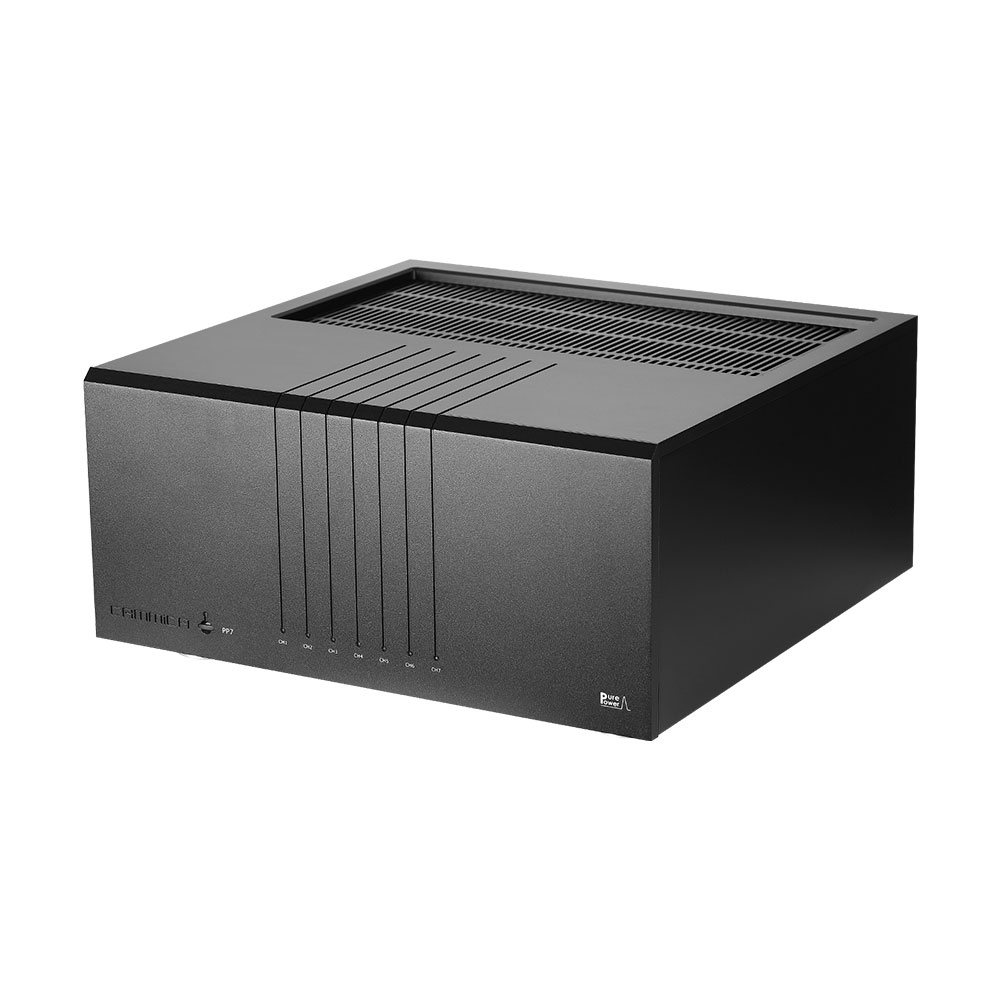
Typical construction: chassis and ventilation layout — the build quality that keeps warranty claims rare is decided here, years before any claim.
The same mistakes recur in warranty talks, and most of them are not the supplier's doing — they come from signing a draft nobody read line by line. Ranked by how often they show up:
Mistake | Consequence | The fix |
|---|---|---|
Negotiating years but not the start date | Channel time quietly eats the validity | Duration and start point in the same sentence |
Reading coverage, skipping exclusions | Most real failures turn out excluded | Walk the exclusion list; demand the evidence basis for each |
One sentence on freight | Every shipment restarts the argument | A freight matrix: year × liability × batch |
No RMA deadlines | Disputed units hang open indefinitely | Deadlines for judgment, repair, and reshipment |
Ignoring spare-parts clauses | Discontinued line, unrepairable estate | Availability period and parts list in the contract |
From the factory side of the table: writing a warranty into hard clauses only works when the operation behind it exists. Per-unit burn-in before shipment lets inherent defects surface in the plant instead of in the customer's warehouse. Serial-level records of materials and test data make "what state was this unit in when it left" an answerable question. A written judgment report on every RMA feeds repeat failures into design improvement instead of letting them recur. None of this is extra — the clause is simply the record system translated into contract language. More factory-side engineering and manufacturing practice lives in our factory notes on quality, warranty and OEM cooperation.
Question | The answer to expect | The answer that should worry you |
|---|---|---|
When does the warranty start, and how is it proven | A named start point plus the serial/shipment mapping | A bare "two years" |
Where is the exclusion list, and what evidence decides each | Itemized exclusions, each with its evidence basis | "Everything under normal use is covered" |
What are the judgment and repair deadlines | Two concrete numbers, plus the overdue clause | "As soon as possible" |
Can you ship spares first and verify the failed unit later | A clear yes, with a described process | "We have never done that" |
How long after end of production, and which parts | A number of years plus a parts list | "We will always support you" |
A warranty policy earns its value not in "two years" but in three rows: when the clock starts, which failures count, and who pays when one does. Buyers audit drafts against the three clocks, the exclusion list, the six RMA stages, and the four spare-parts clauses. Factories stand behind every line with serial archives, burn-in logs, and inspection records. When both sides meet on paper, a field failure stops being a bill somebody pays in silence.
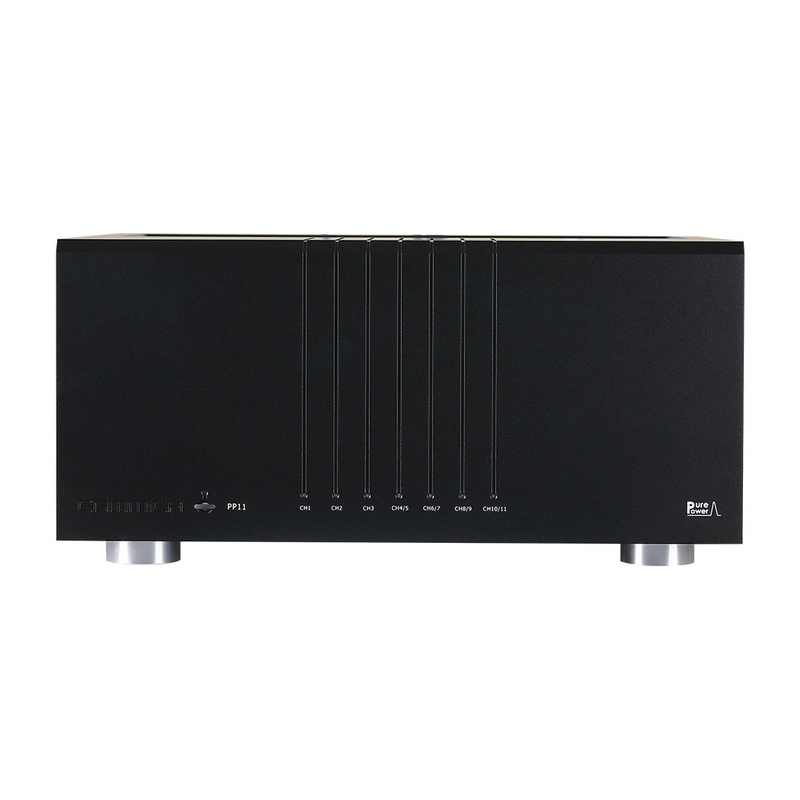
Typical construction: multichannel amplifier front panel — the hardware these clauses cover.
The in-production hardware behind these terms is on the amplifier and speaker lines this policy covers.
Last updated: 2026-11-27


